
 By
By
Hoarder house cleanouts are not like regular junk removal jobs.
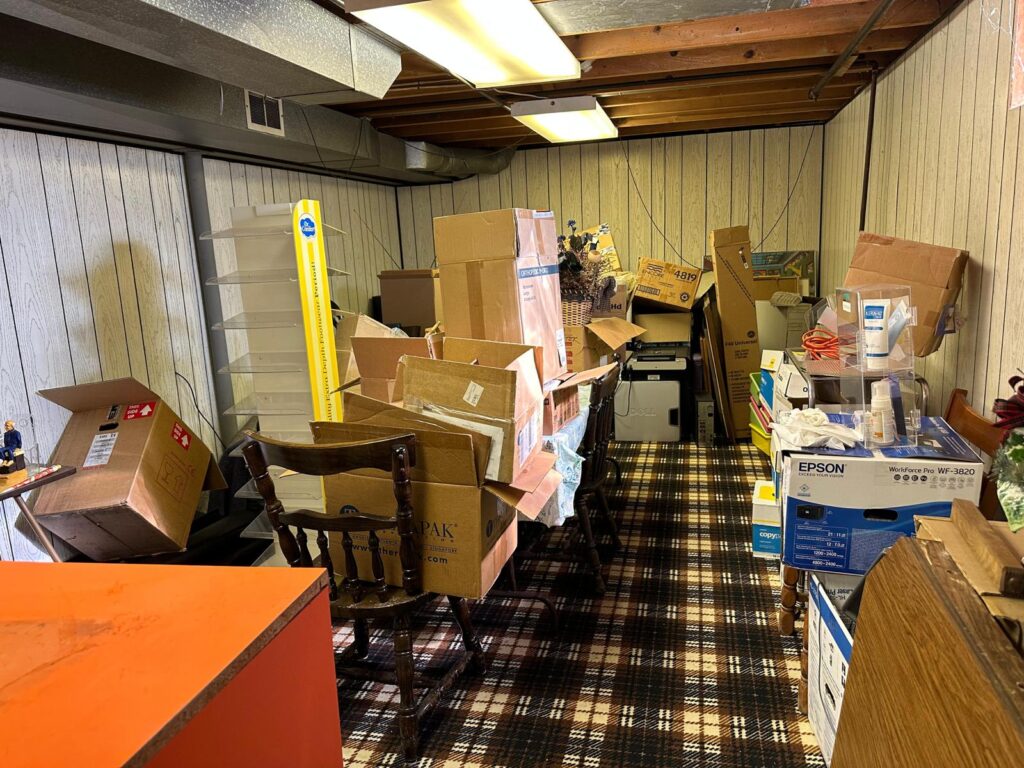
If you’ve ever walked into a home where items are stacked floor to ceiling, pathways are blocked, and years of belongings have built up, you already understand how overwhelming it can feel.
For families, landlords, or even the person living there, it’s not just about “cleaning up.” It’s a mix of physical work, emotional stress, and real safety risks.
The good news is, with the right approach, you can handle a hoarder house cleanout safely and effectively without making the situation worse.
This guide walks you through everything you need to know.
Understanding Hoarder House Cleanouts
Before doing anything, it’s important to understand what you’re dealing with.
What Is a Hoarder Situation?
Hoarding is when items are accumulated to a point where:
- Living spaces become unusable
- Movement is restricted
- Basic cleaning becomes difficult or impossible
Different Levels of Severity
Not every hoarder home is the same.
- Mild – Cluttered but still accessible
- Moderate – Limited movement, stacked items
- Severe – Blocked pathways, unsafe conditions
Common Conditions Inside
You may find:
- Narrow walking paths
- Dust, mold, or strong odors
- Pest activity
- Structural stress from heavy clutter
Why Safety Is Critical in Hoarder Cleanouts

This is not just a cleaning job. There are real risks involved.
Health Risks
- Mold exposure
- Dust and allergens
- Bacteria from old or decaying items
Physical Hazards
- Sharp objects hidden under clutter
- Unstable piles that can collapse
- Slippery or uneven surfaces
Emotional Sensitivity
This part is often overlooked.
For the person involved, these items are not just junk. There can be strong emotional attachment.
Start with a Detailed Assessment

Never jump straight into cleanup.
Evaluate the Property
Walk through carefully and look at:
- How much clutter there is
- Accessibility
- Entry and exit points
Identify Hazards
Pay attention to:
- Mold or water damage
- Broken glass or sharp items
- Signs of pests
Determine the Scope
Ask:
- Is this a one-day job?
- Or a multi-day full cleanout?
Create a Clear Cleanup Plan
Trying to do everything at once will lead to burnout and mistakes.
Set Realistic Goals
Break the job into sections:
- One room at a time
- One category at a time
Establish a Timeline
Give yourself or your team enough time.
Rushing increases risk.
Plan Resources
Decide:
- How many people are needed
- What tools are required
- Whether professionals should be involved
Use Proper Safety Gear
This is not optional.
Basic Protective Gear
- Gloves
- Face masks or respirators
- Long sleeves and durable clothing
Additional Protection
- Safety glasses
- Boots with strong grip
- Disposable suits (for severe cases)
Why It Matters
Even a small cut or exposure can lead to bigger issues.
Sorting Items Safely

Sorting is necessary, but it needs to be done carefully.
Keep
Focus on:
- Important documents
- Valuables
- Sentimental items
Donate
Only if items are:
- Clean
- Safe to use
Recycle
Separate:
- Metal
- Electronics
- Appliances
Dispose
Anything that is:
- Contaminated
- Broken
- Unsafe
Handling Hazardous Materials

This is one of the most critical parts.
Common Hazards
- Chemicals
- Expired food
- Batteries
- Biohazard materials
Safe Approach
- Do not handle without proper protection
- Use proper disposal methods
- When in doubt, leave it to professionals
Dealing with Heavy Clutter and Debris
Large piles can be dangerous.
Avoid Unstable Areas
Never pull items from the bottom of a stack.
Use Proper Lifting Techniques
- Lift with your legs
- Keep items close to your body
Work in Teams
Two people are always safer than one in these situations.
Emotional and Psychological Considerations

This part matters more than most people realize.
Respect the Situation
Avoid:
- Judgment
- Rushing decisions
Communicate Clearly
If the homeowner or family is involved:
- Explain what you’re doing
- Give them time to process
Be Patient
This is not just physical work. It’s emotional too.
When to Hire Professional Cleanout Services
There’s a point where DIY is no longer the best option.
You Should Call Professionals If:
- The clutter is severe
- There are health risks involved
- You don’t have proper equipment
- Time is limited
What to Expect from a Professional Hoarder Cleanout
Initial Assessment
A team evaluates the situation and plans the process.
Structured Cleanup
Work is done in stages:
- Sorting
- Removing
- Clearing space
Proper Disposal
Items are:
- Removed safely
- Recycled or disposed correctly
Cost Considerations
Costs depend on:
- Volume of items
- Level of difficulty
- Time required
- Safety concerns
While it may seem expensive, it often saves time and reduces risk.
Tips to Prevent Future Hoarding Issues
Regular Check-Ins
Keep track of clutter buildup.
Encourage Decluttering
Small steps make a big difference.
Support Systems
In some cases, outside help may be needed.
Common Mistakes to Avoid
Rushing the Process
Leads to mistakes and safety risks.
Ignoring Safety
This is the biggest mistake people make.
Trying to Do Everything Alone
Always have help.
Not Planning Ahead
A plan saves time and reduces stress.
Hoarder house cleanouts are not easy, but they are manageable with the right approach.
Focus on safety first, take things step by step, and don’t hesitate to ask for help when needed.
A clear, organized space is possible, even in the most challenging situations.
At Quick Help Junk Removal, we understand that hoarder cleanouts require more than just labor.
They require patience, care, and the right approach.
We help Buffalo homeowners, families, and landlords handle difficult cleanouts safely and efficiently.
✔ Discreet and respectful service
✔ Full cleanout support
✔ Safe handling of heavy and hazardous items
✔ Eco-friendly disposal whenever possible
You don’t have to handle this alone.
👉 Visit: https://quickhpjunkremoval.com/
📞 Call or text 716-292-9574 for a free estimate and professional support.